Blue vs Flathead Catfish: How to Target Each on Grand Lake


 Published: Nov 26, 2026
 6 min read
Summary
A practical comparison of blue and flathead catfish for anglers researching a Grand Lake trip. Covers how the two fish differ and what that changes about rigs, bait and location off Monkey Island, Oklahoma.
Two Catfish, Two Different Jobs
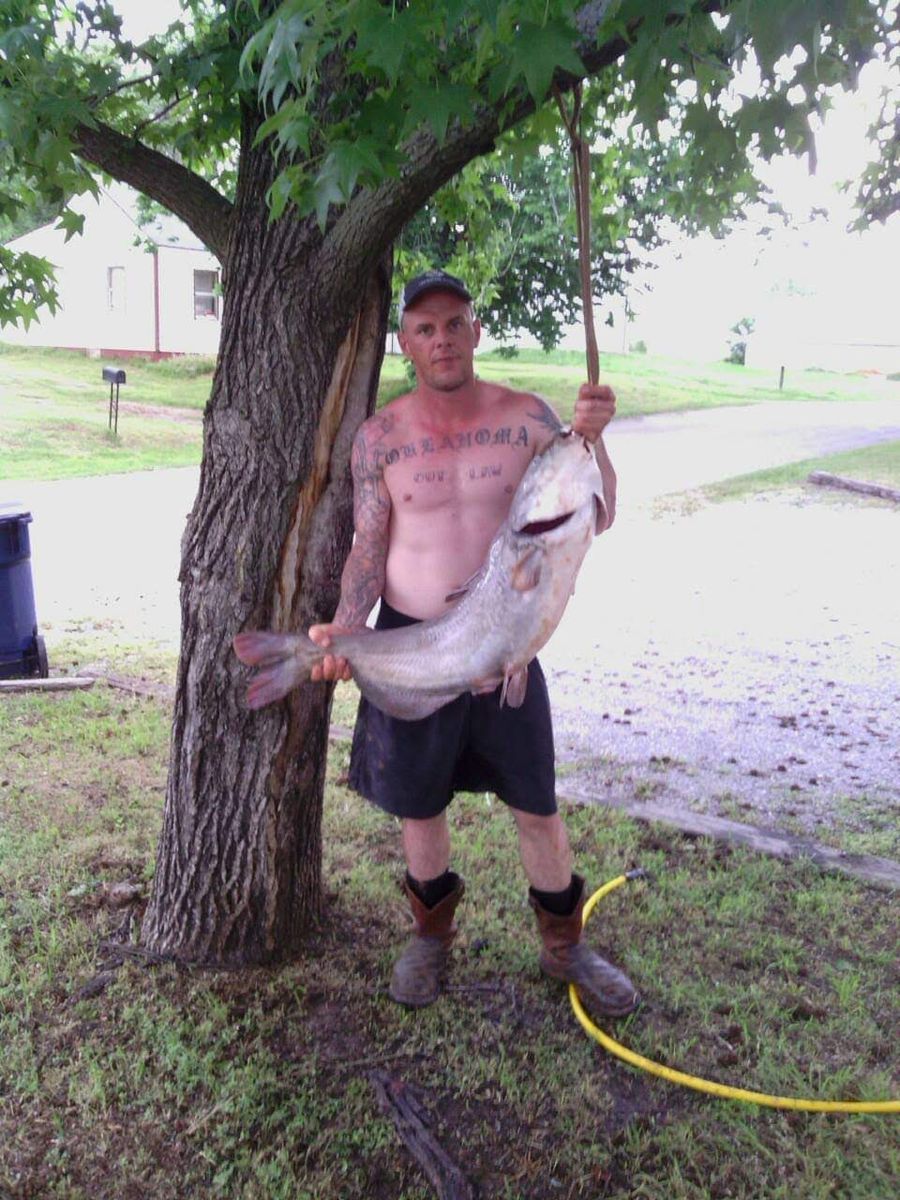
Anglers researching catfish fishing in Oklahoma often lump blue and flathead catfish together, and that is where plans start to go wrong. Both are big, strong, and capable of bending a heavy rod. They are not the same fish, though, and the way each one feeds changes how you rig, what you put on the hook, and where you drop it.
Guide William Forbes of Big Cats Fishing Oklahoma runs trips off Monkey Island aimed at heavy blue and flathead cats on Grand Lake. This article lays out how the two differ and how an angler approaches each one, so you can show up with a plan instead of guesses.
How to Tell Them Apart
Looks are the quickest way to separate them. A flathead has a broad, flattened head, a jutting lower jaw, and a mottled yellow-brown coloring. A blue catfish has a smoother, more streamlined build, a slate-blue back, and a straighter tail edge. Once you have handled both, you rarely mix them up.
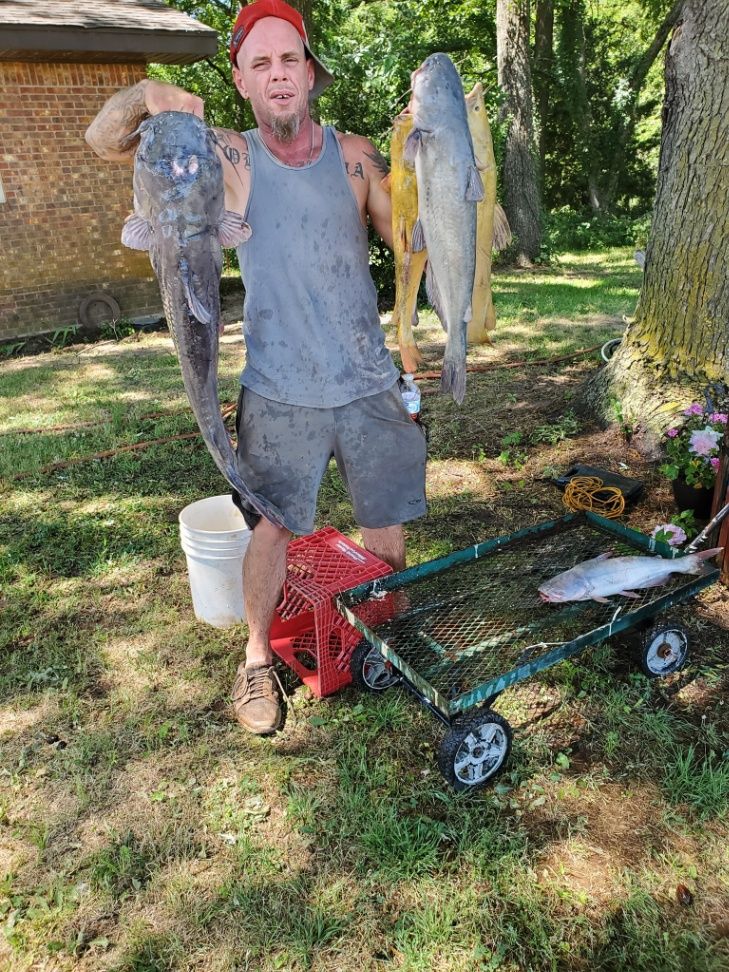
Behavior is where the real difference lives. Flatheads tend to be ambush feeders that hold close to structure and wait for something to come by. Blues tend to roam more, following food along channels and open water. That one contrast shapes almost every decision below.
Where Each One Is Usually Found
Because flatheads hold tight to cover, a flathead search starts with structure. Think of places where a fish can tuck in and let the meal come to it. Blues are more likely to be tied to moving water and the edges where depth changes, so anglers look along channels and ledges rather than only around cover.
That lines up with how William describes his trips. His catfish outings are built around isolated ledges and deep channels off Monkey Island, which is the kind of water where roaming blues and structure-holding flatheads can both be reached from the same boat. Reading a lake like Grand Lake comes down to matching your spot to the fish you want, not just dropping a line anywhere deep.
Rigs: Built for Weight and Patience
Both species call for heavy gear. When you are hunting big catfish, light tackle is a way to lose fish, not land them. A heavy bottom rig is the standard approach, because it keeps your bait where the fish are feeding and gives you the strength to turn a big fish away from snags.
A few rigging habits carry across both species:
- Use a strong rod and line that can handle a long, heavy fight.
- Keep the bait in the strike zone with a bottom rig sized to the current and depth.
- Check your knots and hooks often, since a big cat tests every weak link.
The place where blue and flathead approaches split is bait presentation and how long you stay in one spot. A flathead rig is usually set and left near cover for patient fishing. A blue rig is more willing to move if a spot goes quiet, since blues are the fish that travel.
Bait: Match the Feeding Style
A flathead is an ambusher, so it responds to a bait that looks like a real, easy target sitting near its hiding place. Blues are more opportunistic and will take a bait that drifts into their path along a channel or ledge. The practical lesson is to think about how the fish eats before you think about what is in the bait bucket.
William's trips cover rigging, bait selection and hooksets, which matters because a good bait on a poorly set hook still goes home empty. Catfish often take a bait and move off with it, and a well-timed hookset on a heavy rod is what turns that pull into a hooked fish.
Why Night Fishing Comes Up So Often
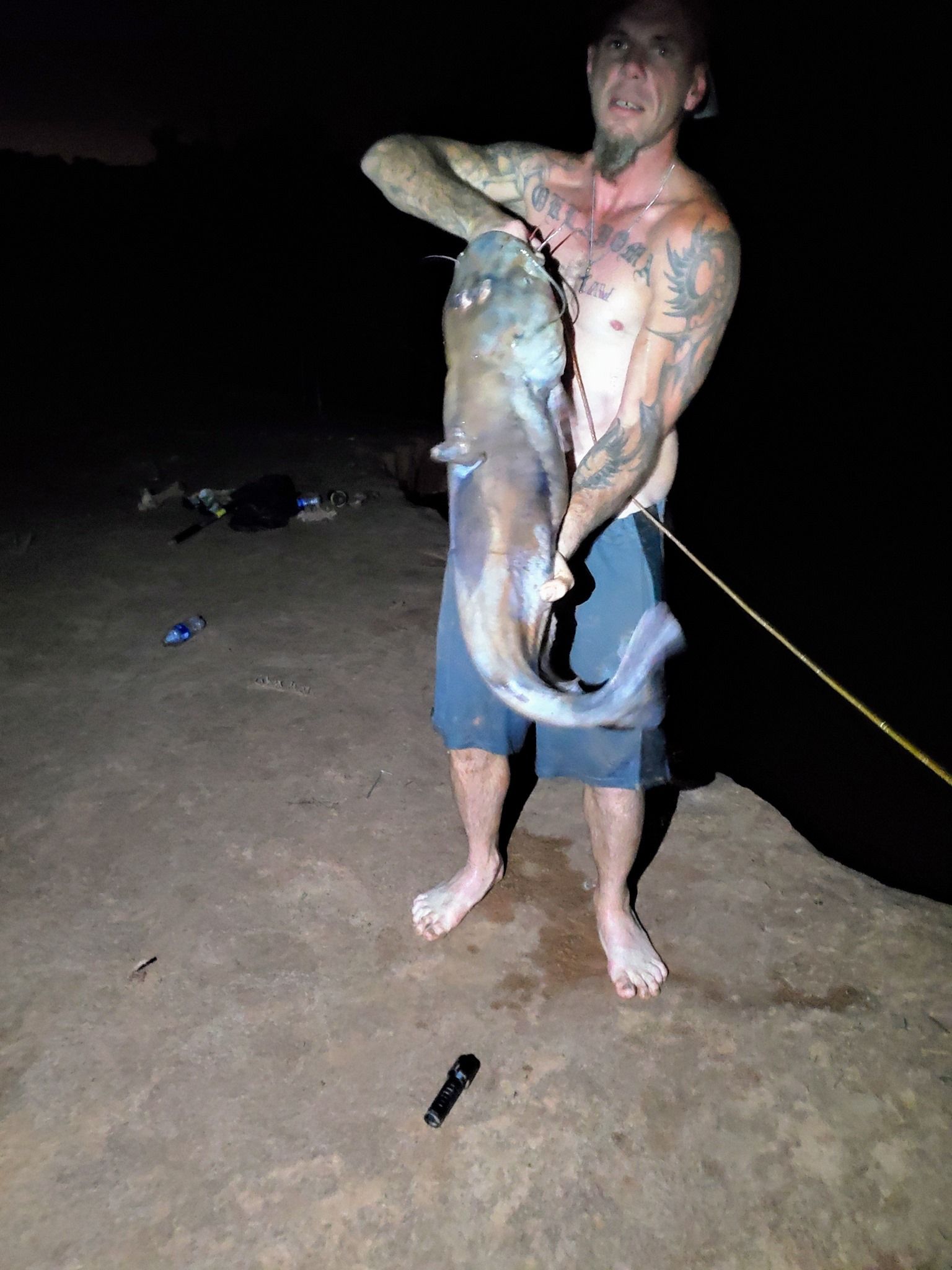
Many anglers go after big catfish after dark, and it fits both species. Catfish are active feeders in low light, and the quiet of a night on the water suits the patient style of fishing that heavy bottom rigs demand. William offers nighttime outings off Monkey Island built around heavy rigs for big blue and flathead cats, with the setup of heavy bottom rigs and the readiness to hold on when a big fish takes.
If you are weighing a day trip against a night trip, think about what you want from the experience. A night on the water suits anglers chasing size and willing to wait for it. A day trip suits anglers who want to learn rigging and bait in a relaxed setting.
Putting It Into Practice on Grand Lake
The simplest way to improve your results is to decide which fish you are after before you rig up. Flatheads reward structure and patience. Blues reward covering the right channel and ledge water. Heavy gear and a solid hookset help with both.
If you would rather learn it on the water than from an article, a guided trip with William Forbes at Big Cats Fishing Oklahoma puts you on the ledges and channels off Monkey Island with someone who fishes them regularly. You get the local knowledge on spots, rigs and bait, and you can spend your time fishing instead of searching.